
5 Essential Tips to Prolong Dental Veneers
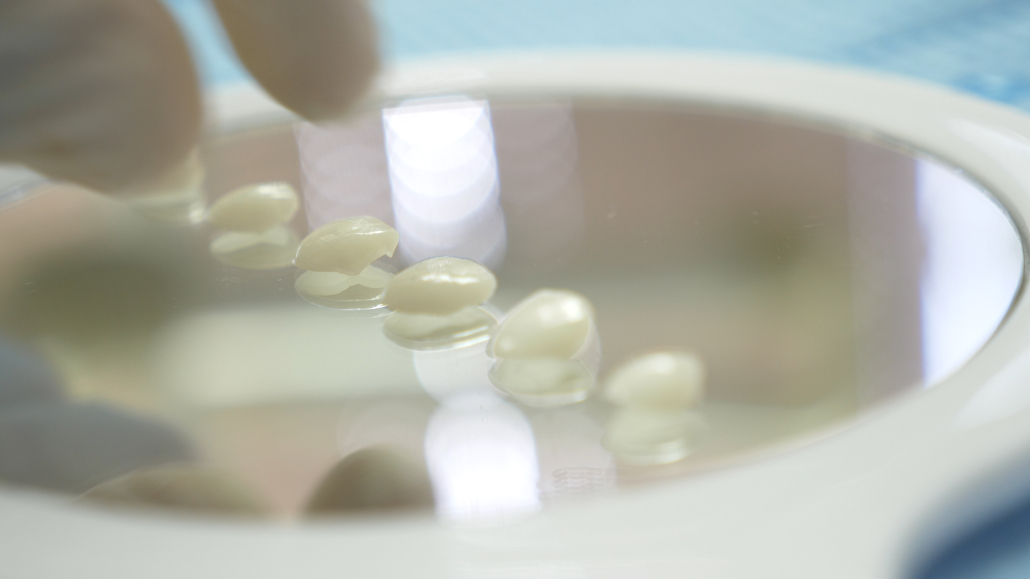
You are probably wondering how to prolong dental veneers so your smile remains dazzling. At Silver Oaks Dental Clinic, we’ve been transforming smiles since 2010, and we know that dental veneers are a fantastic way to transform your smile, improve your dental health and give your confidence a real boost. They’re those thin, tooth-coloured shells that dentists bond onto the front surface of your teeth to make them look better. Whether you’ve gone for porcelain or composite, they’re permanently bonded to your teeth and can sort out all sorts of things like chips, breaks, discolouration or oddly-shaped teeth.
Getting veneers is a big step, but it’s actually just the beginning of the journey. To keep that stunning new smile looking its absolute best for years to come, proper aftercare is absolutely crucial. Veneers aren’t exactly cheap, so looking after them properly helps protect your investment and avoids potentially costly repairs or even replacements down the line.
With the right care and attention, veneers can last a good whilst – anywhere from 10 to 25 years according to one source. Another suggests porcelain veneers typically last between 10 to 15 years or even longer, whilst composite resin veneers might need replacing within five to seven years. Some research even suggests traditional porcelain veneers can last up to 20 years.

It’s important to remember that veneers are strong, but they aren’t quite as strong as your natural teeth. They’re not indestructible, and just like natural teeth, they need looking after to stay healthy and look their best. Proper maintenance doesn’t just keep the veneers looking good; it helps prevent underlying issues like tooth decay on the natural teeth beneath them.
Right, ready to learn how you can help your veneers last the distance? Here are five essential tips you need to know about.
1. Prolong Dental Veneers: Master Your Oral Hygiene Routine
This is arguably the most important thing you can do for your veneers. Good oral hygiene habits are just as vital for people with veneers as they are for those without. You need to brush and floss every day.
Brush your teeth twice a day with fluoride toothpaste. When brushing, use a soft-bristled toothbrush. Avoid brushing too hard, as this can contribute to gum recession. Gentle brushing, often with gentle circular motions, is the way to go. Gum recession can expose the natural root of your tooth, which won’t match the colour of your veneers. Be sure to brush gently around the gum line where your veneers meet your gums. If you’re feeling fancy or want a little extra help, talk to your dentist about using an electric toothbrush with soft bristles. Electric toothbrushes can help control the pressure you apply, ensuring a good clean without putting too much stress on your gums.
When it comes to toothpaste, be careful what you choose. Avoid whitening toothpaste or toothpaste containing baking soda. These can be too abrasive and scratch the surface of your veneers, making them more prone to staining. Use a non-abrasive toothpaste or gel, maybe even one designed specifically for porcelain veneers. Products for sensitive teeth are often a good choice.
Flossing daily is just as important as brushing. It gets rid of food particles and plaque from between your teeth and around the gum line, where bacteria can build up. This helps prevent gum disease, which could potentially weaken the bond of your veneers. Polytetrafluoroethylene (PTFE) floss may be easier to use with veneers than waxed or unwaxed nylon floss. Floss gently around your veneers to avoid damage. Some sources suggest considering a water flosser to clean areas near the gum line where bonding cement is applied.
Finally, rinsing daily with an antibacterial mouthwash can be beneficial. However, be sure to avoid mouthwash containing alcohol, as it might dry out the glue holding your veneers in place. A fluoride-based mouthwash can help keep gum disease at bay.
2. Be Mindful of What You Eat and Drink
This is another crucial area for veneer aftercare. While veneers are pretty hardy, certain foods and drinks can pose a risk.
Let’s talk about staining first. Dark-coloured beverages like coffee, tea and red wine are often mentioned as culprits. Some dentists say you should limit these drinks, while others advise using a straw, rinsing your mouth with water or brushing your teeth about 20 minutes afterwards if you do indulge. It’s worth noting that some dentists believe staining is less of a concern with stain-resistant porcelain veneers compared to composite ones. Stain-causing foods like tomatoes and berries might also be worth limiting, though advice can vary.
Now, onto hard and sticky foods. Although veneers are strong, they’re not as strong as natural enamel. Chewing on hard foods can cause them to chip or crack. This includes things like hard candies, ice, nuts, raw vegetables, or bread crusts. If you eat these types of foods, try to chew on the opposite side of your mouth from your veneers, or cut hard items into smaller pieces. Especially in the first week or so after getting your veneers, stick to softer foods like mashed potatoes, yoghurt, smoothies or soup whilst your teeth might feel sensitive.
Sticky foods, such as caramel or gum, can also be problematic. They might cause your veneers to loosen or pull on the bonding material. It might be best to avoid them altogether, or at least brush your teeth after eating something sticky.
Acidic foods and drinks like citrus fruits, tomatoes or soda should also be approached with caution. Over time, their acidity can potentially weaken the bonding cement that holds your veneers in place. Rinsing with water after consuming acidic items can help.
Drinking plenty of water is generally a good idea for oral health and can help keep your mouth hydrated, flushing away bacteria. Avoiding sugary drinks is also recommended as they can contribute to dehydration and increase the risk of cavities on your natural teeth.
3. Stop Habits That Could Damage Dental Veneers
This is pretty straightforward: avoid biting on hard nonfood items. Things like chewing on pens, pencils or your fingernails can damage your veneers.
Crucially, if you used to use your teeth as tools, that absolutely has to stop. Using your teeth to open packages or bottles can put excessive pressure on your veneers and cause them to chip or break. Your teeth are for chewing food; use them for their intended purpose only.
Tobacco use, whether smoking or chewing, is also a big no-no. It can discolour the edges of your veneers and cause damage. Quitting tobacco can help your veneers last longer and is vital for overall oral health.
And finally, a note on whitening. If you feel your veneers aren’t white enough, don’t try to whiten them yourself at home. Common techniques like using baking soda can damage or scratch veneers, making staining easier. Over-the-counter whitening products might also damage the bonding material or cause a colour mismatch between your veneers and natural teeth. Talk to your dentist instead. They might be able to polish them during a check-up.
4. Protect Against Physical Force
Your veneers need protection from impacts and excessive force, especially if you participate in certain activities.
If you play sports, particularly contact sports, talk to your dentist about getting a mouthguard. A mouthguard creates a barrier that can protect your veneers from accidental hits or falls. You can buy boil-and-bite versions at a sports shop, but for maximum protection, a custom-made one from your dentist is recommended.
Teeth grinding or clenching, known as bruxism, is a major threat to veneers. Grinding your veneers against your natural teeth can lead to chipping, cracking or even needing a full replacement. If you grind or clench your teeth, especially at night, talk to your dentist about getting a custom night guard or splint. Wearing this while you sleep helps protect your veneers from the intense pressure.
5. Seeing Your Dentist Regularly Helps Prolong Dental Veneers
Even with the best at-home care, regular check-ups with your dentist are absolutely essential for maintaining your veneers. You should aim to see your dentist at least twice a year for checkups and professional cleanings.
These regular visits allow your dentist to keep a close eye on the condition of your veneers and your natural teeth beneath them. They’ll check for any signs of wear, damage, decay or changes. Catching and addressing any issues early can significantly help prolong the lifespan of your veneers. Your dentist can also assess the health of your gums and the underlying tooth structure supporting the veneers.
Professional cleanings during these appointments are vital. They remove plaque and tartar that even the best brushing and flossing might miss, keeping your veneers clean and bright, and protecting your natural teeth and gums. Your dentist might even give your veneers a polish.
Regular appointments are also an opportunity to get tailored advice on veneer maintenance, discuss any concerns you have and refine your daily care routine.
You should also contact your dentist immediately if you notice any potential problems. Signs to look out for include:
- If a veneer feels loose or shifts
- If you see a chip or crack. Don’t chew on that side of your mouth until you see the dentist to avoid further damage
- Persistent tooth sensitivity or pain, especially if it lasts longer than one to two weeks after placement
- The edges of your veneer look brown (which could signal gum recession) or if your veneers seem discoloured (potentially indicating tooth decay or plaque)
- The shape of your veneers changes
- Your bite feels uneven
- Unusual build-up around the veneers
If you experience any of these issues, getting prompt professional help is key to addressing the problem effectively and potentially preventing more severe complications.
Watch Dr Huson explain more about this in detail. Watch our YouTube video here!
Prolong Dental Veneers by Maintaining Your Stunning Smile
Dental veneers truly can be a brilliant investment in your smile and confidence. But remember, getting them fitted is just the starting point. They aren’t forever – over time, veneers will eventually wear out or get damaged from normal use and might need replacing. However, by committing to proper aftercare, including a solid oral hygiene routine, being mindful of your diet, breaking bad habits, protecting your teeth from force, and regularly visiting your dentist, you can significantly extend the life of your veneers.
Taking these steps helps keep your veneers looking radiant, protects your natural teeth, and ensures you can keep flashing that beautiful smile with confidence for many years to come.
At Silver Oaks Dental Clinic in Durban, we’ve been helping patients achieve and maintain stunning smiles since 2010. Our experienced team specialises in advanced cosmetic dentistry, including premium porcelain veneers, and we’re passionate about ensuring our patients get the most from their investment. With our background in London’s Harley Street district and more than 50 years of combined clinical experience, we understand what it takes to create and maintain beautiful, long-lasting smiles. If you’re considering veneers or need expert advice on maintaining your existing ones, don’t hesitate to get in touch.
For more information about our cosmetic dentistry services or to book a consultation, visit www.silveroaksdentalclinic.co.za. Your smile deserves expert care.
Frequently Asked Questions About Prolonging Dental Veneers
-
How long do veneers typically last with proper care?
With excellent care and maintenance, porcelain veneers can last 10-20 years or even longer. Composite veneers typically need replacement within 5-7 years. The longevity depends on factors like your oral hygiene routine, dietary habits, whether you grind your teeth and how well you follow aftercare instructions. Regular dental check-ups help maximise their lifespan.
-
Can I eat normally with veneers?
Yes, you can eat most foods with veneers, but some caution is needed. Avoid biting into very hard foods like ice, hard sweets or nuts with your veneered teeth. Cut hard items into smaller pieces and chew carefully. Sticky foods like caramel can pull on the bonding material, so it’s best to avoid them or clean your teeth thoroughly afterwards.
-
Will my veneers stain like natural teeth?
Porcelain veneers are highly stain-resistant, much more so than natural teeth or composite veneers. However, the edges where they meet your gums can still collect stains over time. Dark beverages like coffee, tea and red wine may cause some discolouration, particularly with composite veneers. Using a straw and rinsing with water after drinking can help minimise this risk.
-
What should I do if my veneer chips or feels loose?
Contact your dentist immediately if you notice any damage or looseness. Don’t chew on that side of your mouth until you can be examined. Small chips can sometimes be polished smooth, whilst larger damage may require veneer replacement. Quick professional attention often prevents minor issues from becoming major problems.
-
Can I whiten my veneers if they become discoloured?
No, veneers cannot be whitened with traditional whitening treatments. Over-the-counter whitening products can actually damage the veneer material or bonding cement. If your veneers appear discoloured, see your dentist for professional cleaning and polishing. In some cases, replacement may be necessary to restore the desired appearance.




Leave a Reply
Want to join the discussion?Feel free to contribute!